
WHY I GOOGLED "SERIAL KILLERS"
What Israel Keyes taught me about the most dangerous person in the room

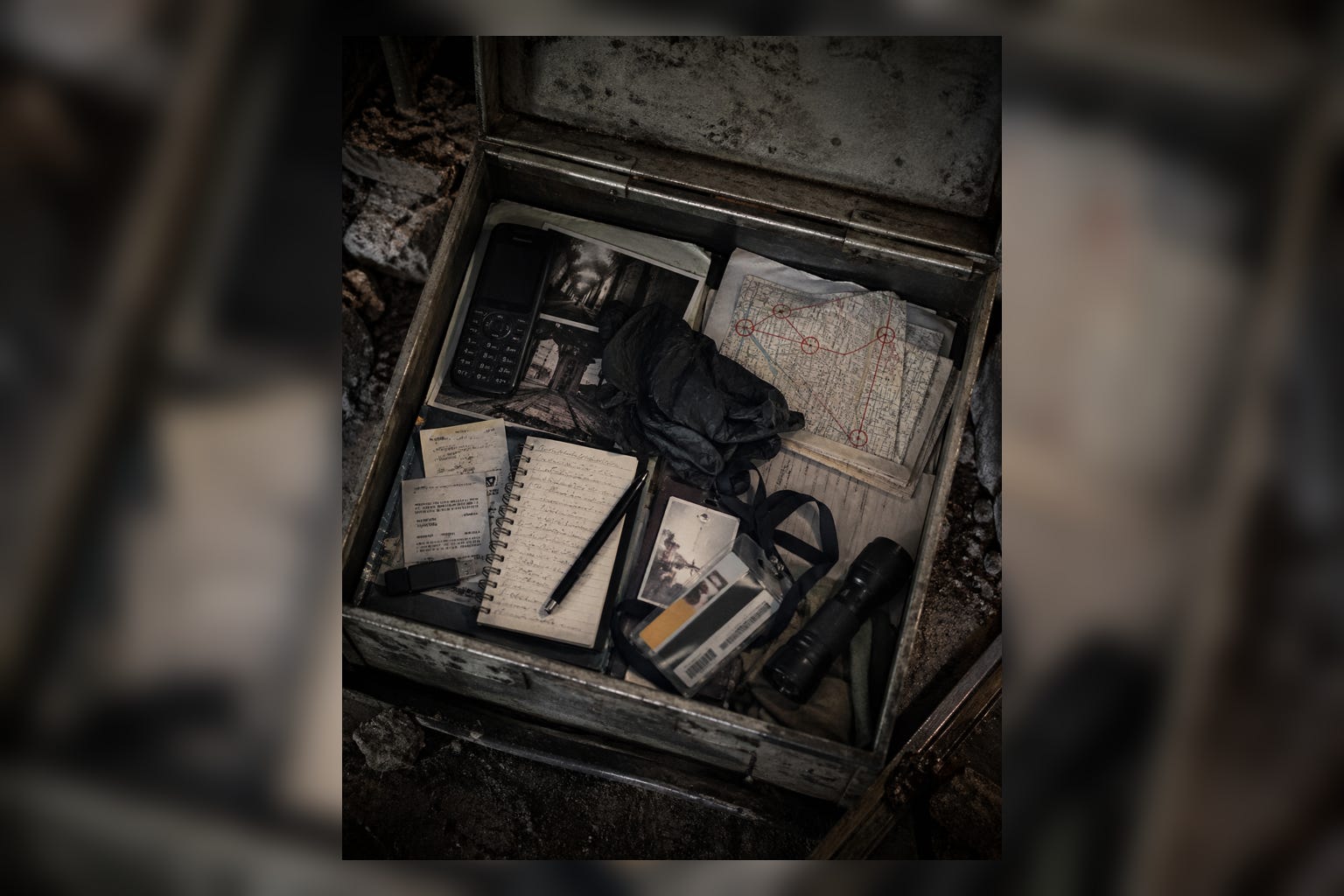
I was researching ideas for the antagonist of my novel Marked to Die.
I was sitting at my desk, late at night, and I typed two words into Google: serial killers.
Three hours later I was still reading about and listening to interviews with Israel Keyes. I didn’t sleep well that night.
I knew I had found the architecture of my antagonist.
The Man Nobody Noticed
Israel Keyes lived a double life in Anchorage, Alaska. On one side was his mainstream, a construction worker with a girlfriend and a daughter. He paid his taxes. His neighbours found him quiet but pleasant. Nothing about him announced what he was.
The FBI’s top criminal profilers described him as unprecedented. They were, by their own admission, terrified of him.  These were people who had spent careers inside the darkest corners of human behaviour.
The Method That Disturbed the FBI
Most serial killers have patterns that eventually betray them.
A type of victim or a preferred location. A ritual that repeats until someone notices the thread.
Keyes had zero victim profile. He went after men, women, old, young, rich, and poor.
He also never killed close to home. Investigators reported that Keyes had disclosed his methodology of choosing his victims—he traveled far when searching for his next victims, making sure he never killed too close to home. 
But the detail that stopped me cold was this:
Keyes buried caches across the United States containing weapons, cash, and tools for future crimes. He planted these years in advance, allowing him to travel without raising suspicion. Whenever he got the urge to kill, he would dig up a cache he had buried years prior and retrieve the murder weapons to commit his crimes. 
He didn’t improvise. He thought years ahead. He separated the planning from the execution so that no single action would ever look suspicious on its own.
The investigative journalist who spent years accessing his case files described him as an analog killer in a digital world. 
He left almost no digital trace because he barely needed one. He operated on patience and preparation alone.
The Double Life That Terrifies Me Most
Keyes is believed to have committed his first murder in 2001. He confessed to slaying 11 people across the United States between 2001 and 2012. While maintaining an ordinary life.
He told investigators he was two different people. 
That sentence was the seed of Marked to Die.
That sentence, the calm acknowledgment that two completely separate selves can occupy the same body, move through the same world, and sit at the same dinner table—that is what I could not stop thinking about.
The killer in Marked to Die is not a monster who looks like a monster. He is someone with a routine, a job, and a supervisor who finds him remarkable. He operates inside systems that trust him because he has given them no reason not to.
He is the person nobody notices until it is too late.
That is Israel Keyes.
What His End Revealed
Keyes was arrested in March 2012, not because investigators cracked his methodology, but because he made a miscalculation. FBI agents focused on ATM withdrawals made using his victim Samantha Koenig’s debit card. This lead helped pinpoint his movements across several states. 
In custody, he negotiated with investigators. He hinted at other victims. He revealed details of murders and then withheld others. He told investigators he would give them every single detail they wanted, but first he wanted something in return: an execution date. 
He wanted to control the ending the same way he had controlled everything else.
He never got the chance. In his jail cell, he died by suicide on December 1, 2012, taking most of his secrets with him.
What He Left Behind in My Writing
I mention Israel Keyes in the afterword of Marked to Die because honesty about inspiration matters to me.
The killer I built, his access to chemicals, his clinical detachment, and his presence in systems that should have caught him carry Keyes’ DNA. The architecture of a person who separates who they are from what they do so completely that the two halves almost never touch.
The most dangerous person in the room is never the one who announces themselves.
They are the one taking notes.
If you want to go deeper on the Israel Keyes case, Maureen Callahan’s American Predator is the definitive account. It is meticulous, disturbing, and the most unsettling thing I read while writing this book.
I mean that as the highest possible compliment.
Until next time.
Joanne Slate
Wow! What an article!
And I was also even more curious to read your novel "Marked to Die".